


TUBE SHEETS
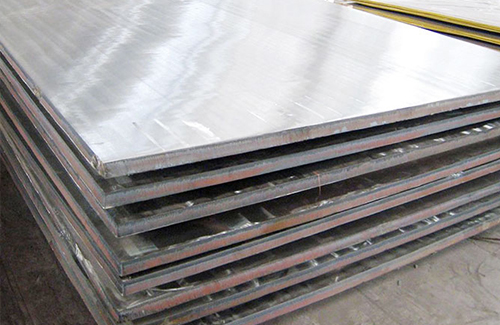
Stainless Steel Tube Sheet, Carbon Steel Tube Sheet, Alloy Steel Tube Sheet, High Nickel Alloy Tube Sheet in India.
Presidential Valves Products IS HIGHLY EXPERIENCED IN THE MANUFACTURE OF CRITICAL, INTERNAL HEAT EXCHANGER TUBESHEETS.
One of the most common heat exchangers in service within industrial process applications is the “Shell & Tube Heat Exchanger”. They are available in many shapes, sizes and have been used in industry for over 150 years. In this exchanger group are various sub design types: Fixed, U-tube and Floating tubesheet. Variations of all can be denoted as type “E”, “F”, “G”, “H”, “J”, “K” or “X”. The main applications are where high pressure/temperatures are key considerations.
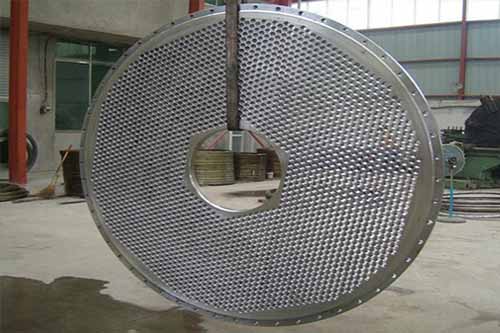
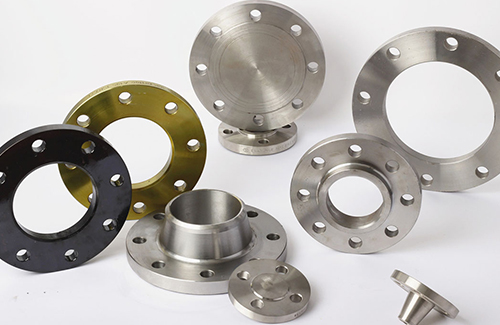
Tubesheets are a critical component of the final design. There are a multitude of materials they can be manufactured from. Material selection is made after careful consideration as it is in contact with both fluids. It must therefore have the necessary corrosion resistance, electromechanical and metallurgical properties associated for its given working environment. The tubesheets themselves contain holes drilled into them. This, in a given, very specific design configuration, at very precise locations with critical tolerances. The amounts of holes can range from a few to thousands. These pattern or “pitch” holes are relative to each other tubesheet within the shell. This pitch changes tube distance, angle and flow direction. These parameters have been varied to maximize the heat transfer effectiveness.
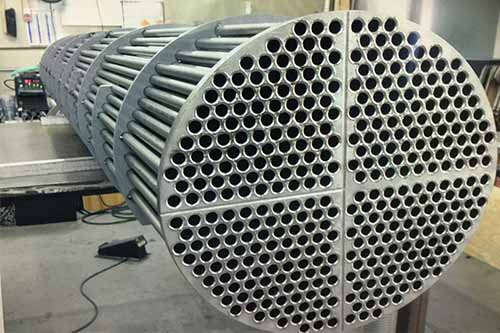
Loosely, general designs consist of the/an outer shell in which resides a tube bundle (these can be configured as finned, plain etc) sealed at each end by a tube sheet which isolates the tubes and the outer shell.
Shell & tube heat exchangers have the capability to transfer large amounts of heat at low(er) costs. This, in principle, down to both design simplicity and effectiveness – large tube surface for reduced weight, volume of liquid and importantly floor space.
Whilst there is a wide variety to choose from there are certain key components similar in all. Tubesheets have tubes attached to them within the body or “shell” of the heat exchanger. The tubes allow the movement of a given medium (gas/fluid) through the shell chamber stopping it mixing with a second fluid medium that lies outside these tubes. As long as there is a temperature difference between these, in effect, the two flow past one another exchanging heat without ever mixing. Tubesheets can be fixed or floating dependent on the application the heat exchanger is designed for.
Our Products